
Science fiction’s grand masters have rarely enjoyed Hollywood, and Hollywood has rarely enjoyed them back. Robert A. Heinlein, author of Starship Troopers, Stranger in a Strange Land and a good half of the furniture in the genre’s attic, is a case in point. A new piece from Slashfilm has dusted off one of the odder entries in his career: XXII Century, a television series he wrote a pilot for in the 1960s, and which never got anywhere near a screen.
The approach came from producer Howie Horowitz. Heinlein duly produced a pilot script, also known as Century XXII, set in the year 2163. Its premise is pure Heinlein: a secret society of superhumans who think rationally at all times have quietly set up a benevolent dictatorship. That idea came from his 1949 novella Gulf, in which a hidden elite of supermen run the world for its own good, whether the world likes it or not. The pilot episode, “The Man Who Wasn’t There”, fills in a future history that includes a 1984 war between the US, Russia and China, and moon colonies founded by the former two. Clearly nobody in 1960s American television was going to lie awake worrying that the show lacked ambition.
They were, perhaps, worried about everything else. Heinlein scholar Bill Patterson, quoted by The Space Review, judged the script “way too daring” for its time. A network schedule of westerns, sitcoms and doctors with excellent bedside manners was not obviously crying out for a philosophical drama about whether humanity should be run by its brightest minds without being asked. Heinlein, for his part, was not heartbroken. He wrote that if the series was never produced, “I hope I have sense enough to stay home and write books in the future.” Slashfilm sums it up more bluntly: he wasn’t fond of working as a screenwriter, and he definitely hated working in TV.
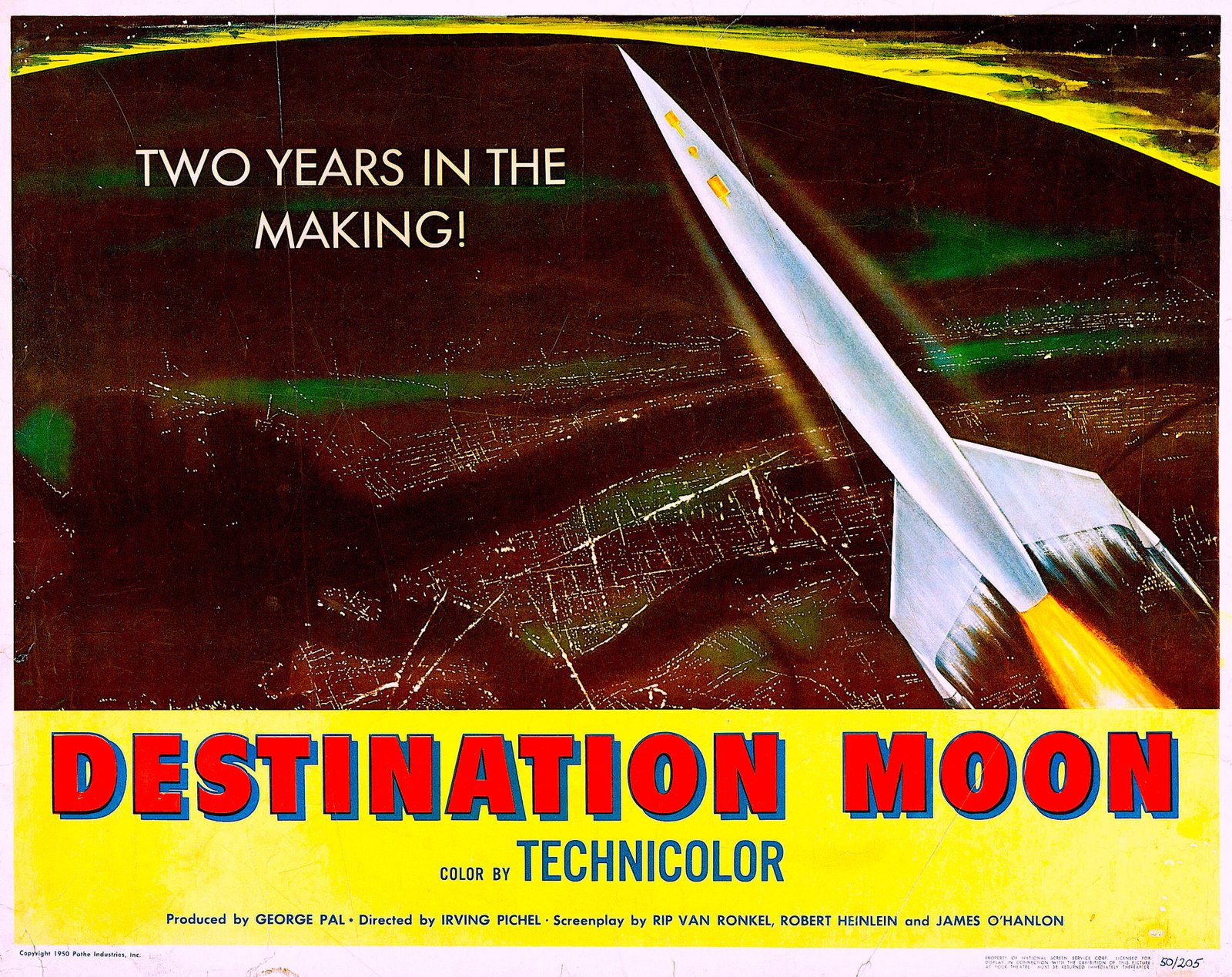
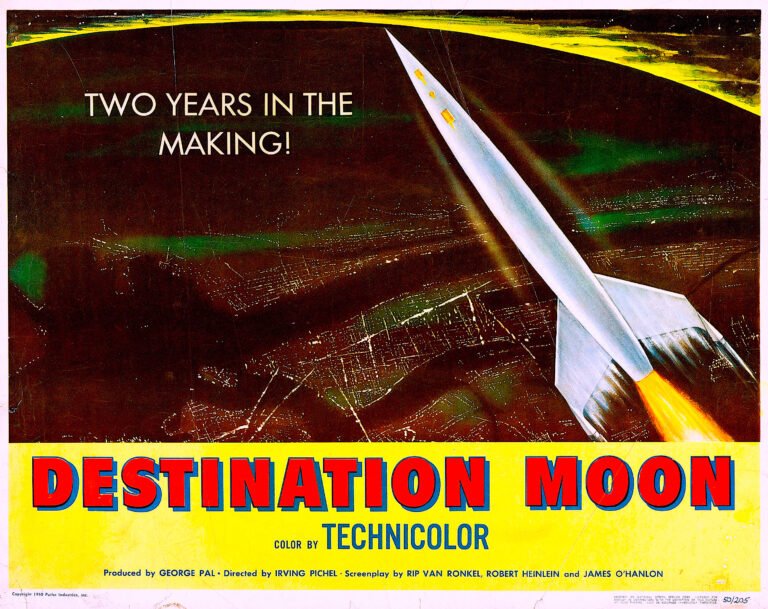
He had form. Heinlein co-wrote Destination Moon (1950) for producer George Pal, one of the first serious American attempts to show spaceflight as engineering rather than a ray-gun fantasy, and it is still a handsome, earnest thing to watch. He worked as its technical adviser too, which made him one of the few SF authors of the period to see a film get the physics right before getting the box office right. The experience doesn’t seem to have converted him to the film industry, and by the time XXII Century came round he plainly knew how the story usually ended.
The good news for completists is that the script survives. The Heinlein archive sells it as opus 149, with what Slashfilm describes as “pages and pages of notes”. That makes it one of those intriguing what-ifs that fandom loves: a 1960s American TV series by one of the big three of the Golden Age, arriving a couple of years before Star Trek made network science fiction respectable. It is tempting to imagine Heinlein’s rational supermen sharing a schedule with Captain Kirk, although one suspects they would have filed a complaint about his decision-making.
Here at SFcrowsnest, we can’t help thinking Heinlein had the better end of the deal. Television would have trimmed his ideas to fit between the adverts, and the novels he went on to write in the 1960s did rather well without a network executive. It’s a reminder that some of the most interesting science fiction never made it past the script stage, and that occasionally the author was the one most relieved about it.



Join the conversation (0)