

Watch the teaser on YouTube: https://www.youtube.com/watch?v=ZkOim2mwFbg
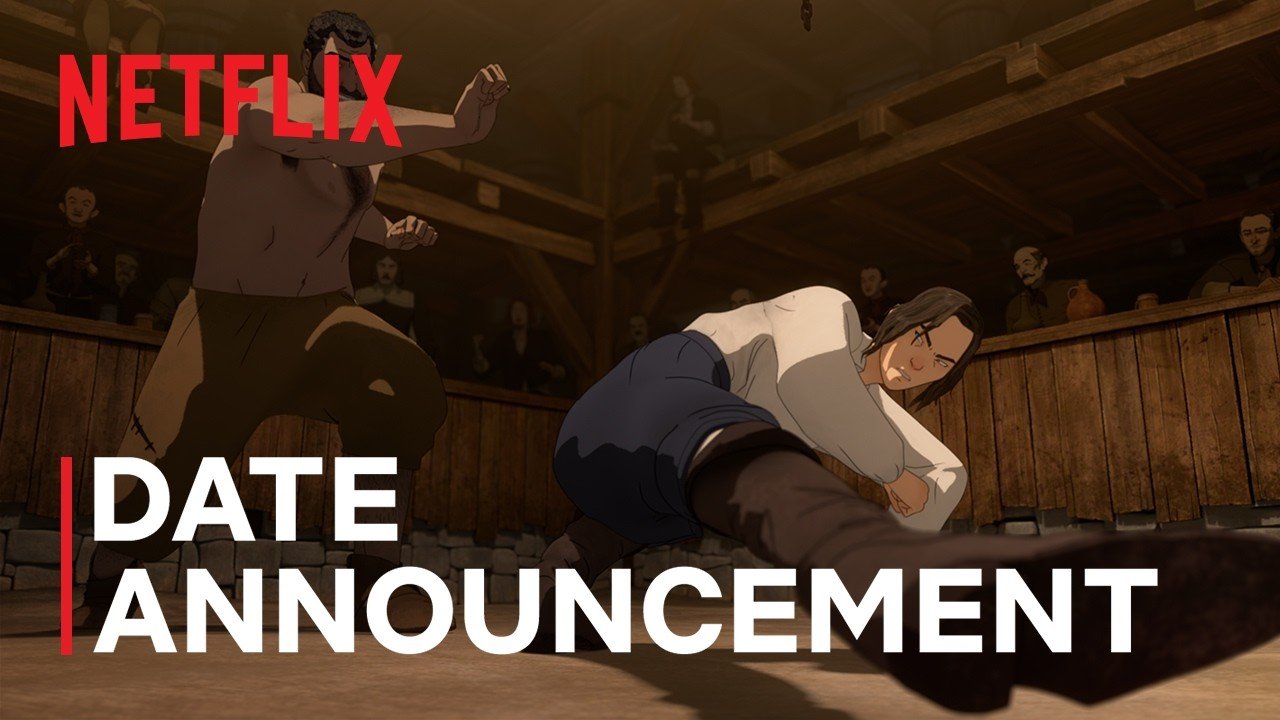
Three years to the day after the first season arrived, Netflix has finally told us when Mizu will be back. Blue Eye Samurai season 2 premieres on 19 January 2027, and the teaser released on 3 November confirms that the show’s mixed-race swordswoman is leaving 17th-century Japan behind and heading for London. Anyone who has spent a January in London will appreciate that this is a woman who doesn’t scare easily.
The six-episode season picks up the trail that ended season one. Netflix’s official synopsis reads: “In Season 2, Mizu’s bloody quest continues in London, where she faces new friends, old foes, and her own demons. In Japan, Akemi and Taigen navigate Edo Castle under a dangerous new Shogun, while Ringo searches for new purpose.” The old foe at the top of Mizu’s list is Abijah Fowler, the gun-running villain voiced by Kenneth Branagh, who was last seen escaping her revenge. Now that the hunt is moving to London, it seems only right that the man at the end of it is played by Britain’s most Shakespearean knight.
Branagh isn’t the only distinguished British voice on board. Jonathan Pryce joins as Old Violet, alongside Joel Kim Booster as Priest Ando and Sherry Cola as Kuma. Back in Japan, Akemi, Taigen and the ever-cheerful Ringo, the cook without hands who has more spirit than most of the samurai combined, have their own problems with a new and dangerous Shogun.
Created by husband-and-wife team Michael Green and Amber Noizumi, Blue Eye Samurai was one of the best things Netflix put out in 2023. Its painterly animation, made by France’s Blue Spirit, looked like ukiyo-e woodblock prints that had decided to start killing people, and the fight choreography was more inventive than in most live-action films. It went on to win the Emmy for Outstanding Animated Program, which isn’t bad for a show that was pitched as an adult revenge saga with a bunraku puppet play in the middle.
Moving the action to London is a bold step. The first season drew much of its power from the claustrophobic world of Edo-period Japan, where Mizu’s blue eyes marked her as a monster. Seventeenth-century London, with its plague, its fires, its religious upheavals and its distinct shortage of decent noodle stalls, offers a very different kind of hostility. It also gives the show a chance to look at Europe through the outsider’s eyes, which is a pleasing reversal of centuries of Western stories in which the foreigner gets lost in the exotic East.
There’s more to come after this, too. Netflix has already renewed the series for a third and final season, slated for 2028. For now, though, the main question is how Mizu will cope with English cooking. On the evidence of season one, the cooks may need to watch their backs.



Join the conversation (0)