
The most-watched television programme on the planet this week is about a sea monster bothering a small fishing village in Newfoundland. If you had predicted that in January, you would have been offered a sit-down and a cup of tea.
Netflix released Below, a six-episode limited series, on 8 October. By the weekend it was No. 1 on Netflix’s TV chart in 83 of the 92 countries tracked by FlixPatrol, including the UK and the US. Any genre show that runs a supernatural deep-sea thriller past every rival from Brazil to Germany deserves a closer look. These are FlixPatrol’s daily rankings rather than Netflix’s own viewing figures. The streamer’s official Top 10, with actual hours watched, arrives on Tuesday.
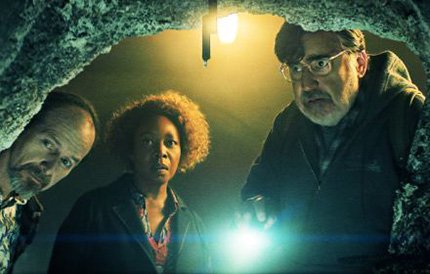
The series was created by Jesse McKeown, a writer on The Umbrella Academy. Josh Hartnett plays Calvin Penney, a fisherman and single father of three in the town of Snook’s Arm, who is still haunted by the mysterious death of his own father decades earlier. When an unidentified creature starts terrorising the town, Calvin teams up with Fonda Howander (Mackenzie Davis), a visiting marine researcher. According to Netflix’s own synopsis, the pair confront the beast and dig up the island’s buried secrets. Charlie Heaton, last seen fretting about the Upside Down in Stranger Things, plays Calvin’s son Wade, while David Wenham turns up as a shadowy Australian researcher, which is always a sign that somebody knows more than they are letting on.
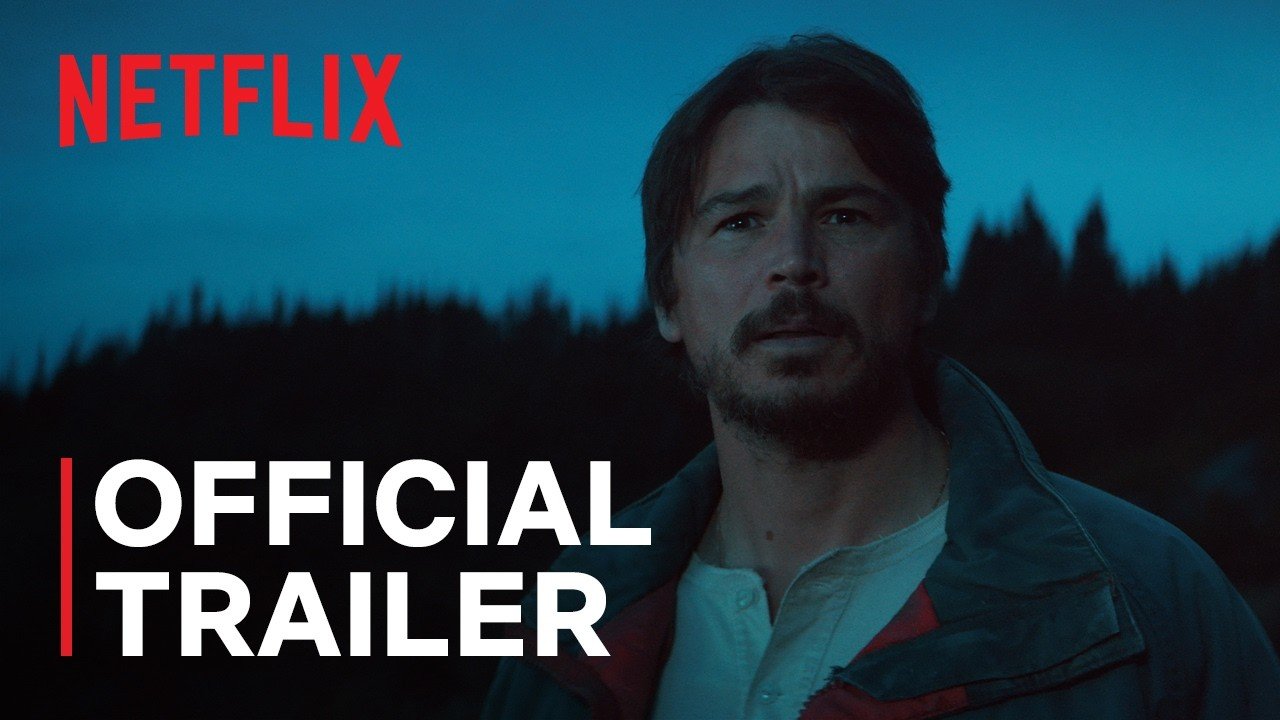
The critics have mostly been kind. The series sits at 82% on Rotten Tomatoes, with a Certified Fresh badge, and Hartnett is getting some of the best notices of his career for what one reviewer called a “postmodern Chief Brody”. The complaints are the familiar ones for a streaming monster show stretched to six hours: a baggy second half that drifts from creature feature into family drama, and some debate about the Newfoundland accents. The A.V. Club points out that Snook’s Arm is a real outport, resettled in 2018, and that the trouble starts with something strange living in the ice. In a province that harvests icebergs to make vodka and beer, that is a genuine threat to the local economy.
What the press releases leave out is that Newfoundland is the historical home address of the kraken. In October 1873, fishermen brought the Rev. Moses Harvey of St. John’s a six-metre tentacle hacked from a living giant squid. Harvey, a Presbyterian minister and keen naturalist, called it “the veritable arm of the hitherto mythical devilfish”. A few weeks later he got hold of a whole one, draped it over his sponge bath and had it photographed. It was the first known photograph of a giant squid, and dozens more washed up on Newfoundland shores over the following decade, according to Canada’s History. Sailors had been telling tall tales about the thing for centuries; it took a clergyman with a bathtub to make it official. Netflix has, in other words, set its sea monster in roughly the one place on Earth where the locals are entitled to say “told you so”.
British readers have a claim on this territory too. Tennyson gave us “The Kraken” in 1830, sleeping its “ancient, dreamless, uninvaded sleep” far beneath the abysmal sea. Then, in 1953, John Wyndham published The Kraken Wakes, in which something unseen settles in the ocean deeps, starts sinking ships and then sets about melting the polar ice until London is under water. It is usually read as a Cold War allegory with tentacles. Seventy years later, a show built around contaminated ice, a real outport that has already been emptied by resettlement and a monster rising from below looks less like allegory and more like the evening news, only with better lighting.
None of this tells us whether Below is as good as the chart position suggests, although 83 countries’ worth of viewers clearly fancied it. What it does show is that the oldest monster in the sea still has pulling power, provided someone gives it a properly bleak coastline and a leading man critics actually want to watch. The kraken has been waking up in English verse since before Victoria took the throne. This week, it has simply been asked to do it in six parts.

Join the conversation (0)