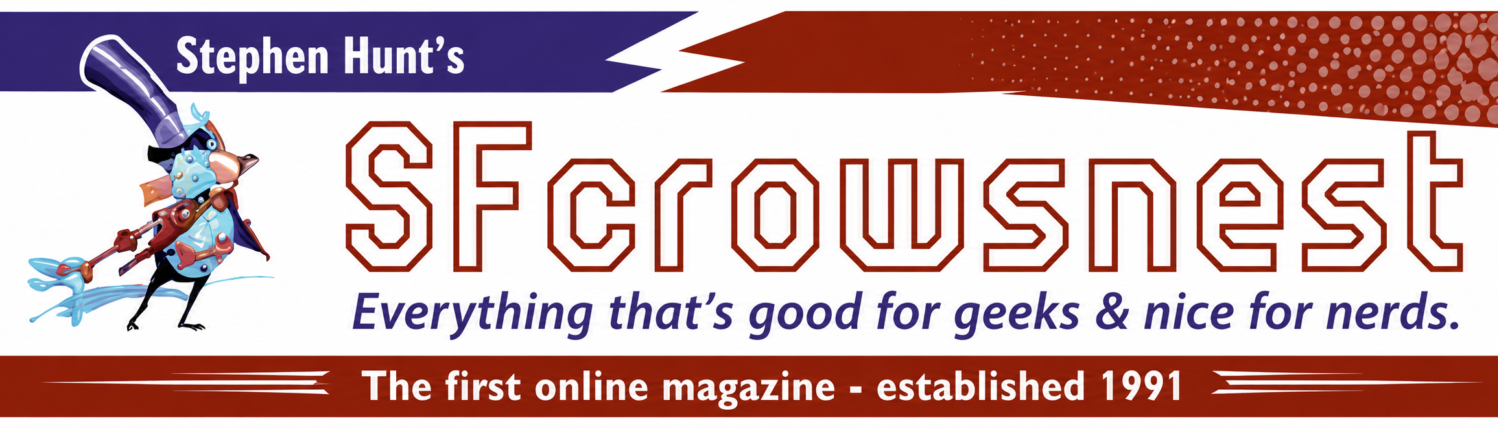

Isaac Asimov wrote nearly 500 books and was, by most accounts, delighted to be paid for every one of them. So there’s an irony in his namesake magazine becoming the centre of a row about who owns a piece of art. Over the past month, two of the best-known artists in science fiction, Donato Giancola and John Picacio, have publicly explained why they walked away from cover commissions for Asimov’s Science Fiction. The row has now reached British fandom through David Langford’s Ansible.
The magazine belongs to Must Read Magazines (MRM), which also publishes Analog and The Magazine of Fantasy & Science Fiction. In a post quoted by File 770 on 8 October, Giancola says that he went back and forth with the company “five times over three months” on a cover contract for a fee of $1,200 before withdrawing at the end of June. His objections were to a work-for-hire clause; up to three rounds of sketch revisions and three more on the final art at no extra cost; the publisher, not the artist, owning the original painting; needing permission to show the work in his own portfolio; and a non-disclosure agreement under which he could forfeit the entire fee if it were broken. “These contracts are NOT normal and should be rejected by artists,” he wrote.
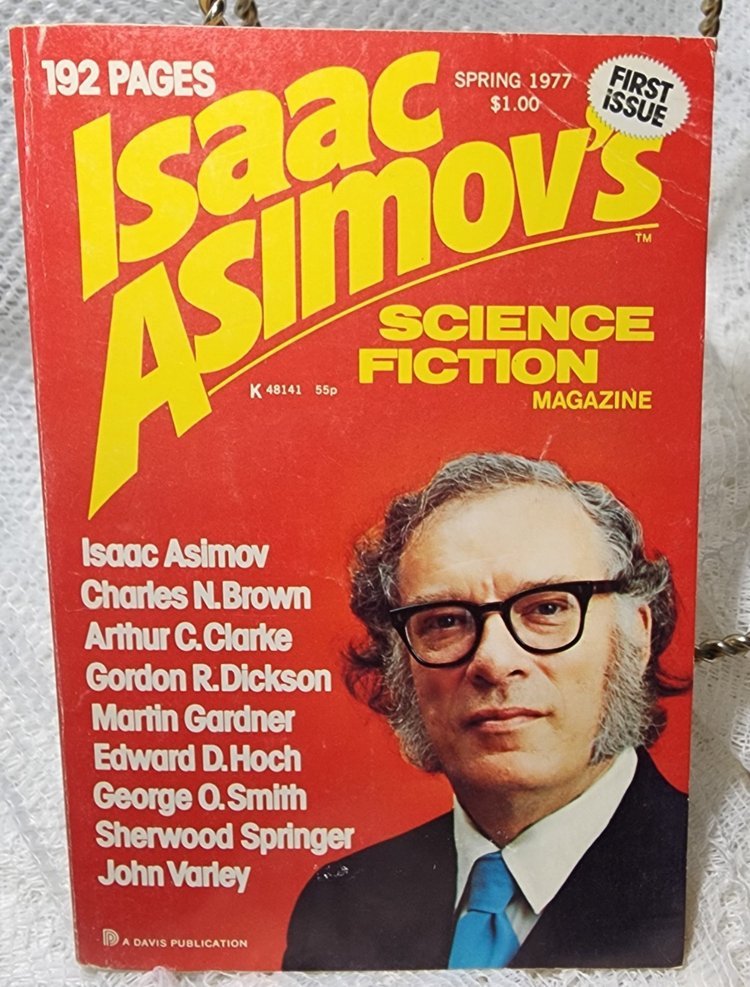
Picacio, a Hugo winner who has painted covers for George R.R. Martin and Michael Moorcock, described a similar experience, including clauses waiving his moral rights and copyright. His advice to fellow artists was blunt: “Their current contracts are too predatory and do not suitably value you, your work, or your rights.”
MRM responded on 9 October with a statement promising that “this will be changing”. It said that it would pause cover commissions based on specific stories “for the foreseeable future”, that its agreements “no longer include a waiver of moral rights”, and that its licensing language had been drawn up by an international IP lawyer working from notes supplied by SFWA’s contracts committee. Not everyone was persuaded. Tor’s Patrick Nielsen Hayden called it “utter nonsense, unmoored from anything real”. A second statement on 16 October went further, saying that MRM was retiring work-for-hire terms, letting artists keep copyright in their images and removing moral-rights waivers. Giancola was not impressed by that either. On 18 October he published the contract that he’d refused to sign, pointing out clauses that the new statement didn’t mention.
For readers who don’t spend their evenings reading contracts, the distinction matters. Under work for hire, the commissioning company is treated as the author, so the artist loses the copyright, the right to resell or exhibit the work and, in some cases, the physical painting itself. Moral rights, which are much stronger in Britain and Europe than in the United States, protect an artist’s right to be credited and to object to their work being mangled. Signing them away is a bit like selling your house and agreeing not to mind if the new owners paint a giant moustache on the front.
Science fiction has been here before. The pulp magazines that Asimov grew up with routinely bought “all rights” and treated cover art as disposable, which is why so many of the great original paintings of the 1930s and ’40s were thrown in skips. It took decades for illustrators to win the now-standard practice of keeping their originals. To see that battle being fought again in 2026, at a magazine with Asimov’s name on the masthead, would make the Good Doctor reach for his sideburns. MRM has at least changed its position twice in a week. Whether it has changed it enough is something the artists, rather than its press statements, will decide.


Join the conversation (0)