
Brain Fruit by Stephen Oram (book review).
Brain Fruit by Stephen Oram is a standalone zoefuturist science fiction novella. Zoefuturism focuses on connectedness, constant change and life-becomings rather than fixed, static states.
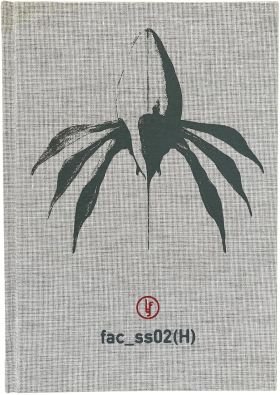
This is a story of survival within a local environment. The main danger comes from repeated storms of rocks, which damage and ultimately destroy anything they fall upon. The communities need to find a way to protect themselves, which means making progress in understanding what can be done with the world around them.
One community comprises a group of mechanical bees with a shared store of knowledge accumulated over time. This knowledge is expanded by forming trioids consisting of a bug, a brain fruit from a tree and a bee, which then wander out on missions of discovery.
The story is told from the viewpoint of one bee. Its newly formed trioid allows it to explain: ‘…my brain fruit will think and reason as well as react to their senses. Then, the bug will have intelligence. Then, I can smell and taste once again.’
Another community of droids is regarded as a further danger to the bees and trioids. Yet the viewpoint trioid believes the droids may hold the answer to their survival. It therefore sets off, between rock storms, towards the droid community to discover whether this is the case.
Brain Fruit is published by what I would describe as the Swedish equivalent of the Folio Society for new science fiction novellas, L’il Factory. It is available only as a luxury hardback edition, with the print run limited to 500 copies. Once those copies are sold, the novella will be available only second-hand, if at all.
Trioids of any kind are rare in science fiction. The only other example I can think of is Isaac Asimov’s The Gods Themselves, published in 1972, for which he won both the Hugo and Nebula awards. This rarity alone piqued my interest.
Oram allows us to understand the bee, the struggles involved in decision-making within the trioid and the drive for survival in this world. In a sense, this is three stories in one, a neat literary technique that echoes the trioid protagonist.
Throughout the story, we glimpse only those parts of the world that the protagonists themselves can comprehend. By the end, there are still many unanswered questions, such as where the rocks come from and how, if at all, the bees are replaced. This only makes Brain Fruit more thought-provoking.
The survival story moves along nicely, allowing the reader to enjoy this strange world while the plot develops in an interesting way.
Brain Fruit is one of those thought-provoking, idea-laden stories that you will remember long after you have finished reading it.
Rosie Oliver
July 2026
(pub: L’il Factory AB, 2025. 48-page hardback. Price: £18.00 (UK). ISBN: 978-91-989955-1-0)
check out website: https://lilfac.com/shop/ws-/products/brain-fruit-by-stephen-oram